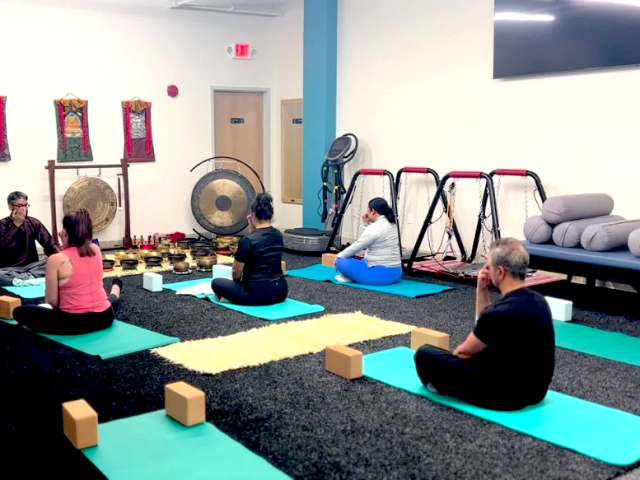
Hatha is a form of yoga that involves meditation techniques to achieve physical health, mental clarity, and spiritual awakening. It is a traditional system of physical postures (asanas), breathing exercises (pranayama), and meditation techniques that emphasizes the harmonious integration of body, mind, and spirit through disciplined practice and self-awareness.
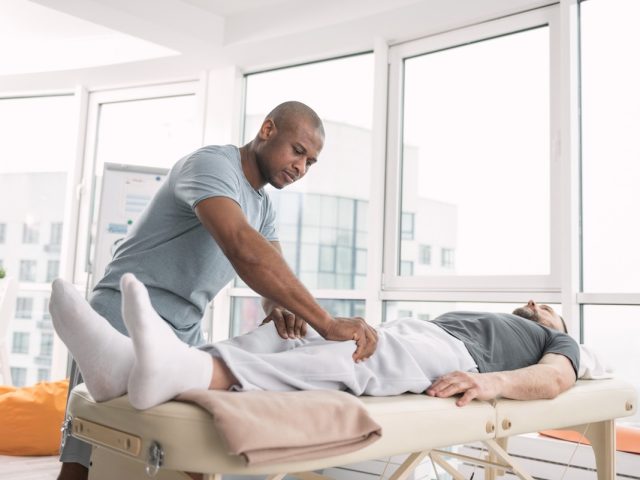
After an injury or surgery, a patient’s quality of life often isn’t what it once was. But that doesn’t necessarily mean that with the right exercises and support, a patient can’t return to the activities that they enjoy the most. This is where physical therapy can play a significant role.
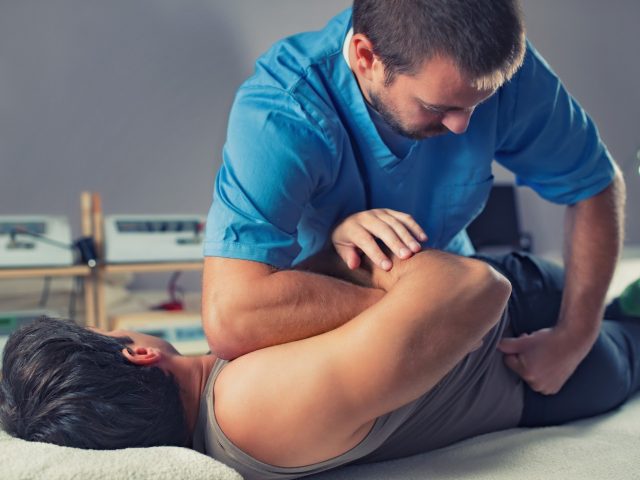
Approximately 40% of people in the U.S. will experience sciatic nerve pain during their lifetime. Symptoms range from mild discomfort to intense and debilitating chronic pain that can radiate down the leg from the lower back into the foot. Sciatica symptoms can interfere with routine tasks and make sitting, standing, bending, and walking difficult. Luckily, many patients are able to find relief with exercise, stretching, and physical therapy.

Sound therapy has become a popular form of treatment for emotional and physical well-being. But, how does it work and what are some of the benefits of incorporating this form of therapy into a treatment plan?

You are probably aware that yoga is good for your health. Perhaps you’ve even tried it for yourself and discovered that it makes you feel better. Yoga offers many mental and physical health benefits, including improved flexibility, mental clarity, stress reduction, and more. These are the top 8 benefits of yoga:

If you are experiencing rotator cuff pain, more likely than not, your doctor has recommended a combination of rest, physical therapy, anti-inflammatory medicines, and/or steroid injections. All of these are common treatments to help alleviate shoulder pain. But, if your injury is too great or these treatments are continually ineffective, rotator cuff surgery may be the recommended course of action.

Joints can be damaged by injury and disease. There are exercises, minor procedures, and other treatments that can help ease pain and increase function and mobility. But for some people, these options only work for so long. If you experience significant joint pain and problems with mobility, and medical treatments aren’t working, your doctor may have recommended joint replacement surgery. With physical therapy before and after your procedure, you can feel and move better than you ever imagined. Keep reading to learn how joint replacement physical therapy can improve your outcomes and your quality of life.

People suffering from arthritis of the knee or certain sports injuries may be steered toward total knee replacement surgery to lessen pain, restore joint functionality, and improve range of motion. For many who undergo this type of surgery, it can take about 12 weeks of physical therapy-based rehabilitation to have a fully functioning, ready-to-use joint!

Prescription pain medications can help keep your suffering at bay but may not be the best solution. Opioids prevent pain signals from reaching the brain, enabling them to combat even the most severe pain. This may seem like a good thing for the short term, but there are much better ways to manage your pain.

Physical therapy can go hand-in-hand with treatment from your doctor after a car accident. While your doctor will advise on broken bones, healing, recommendations for treatment, etc., a physical therapist can help you focus on specific daily activities to help you return to everyday normal routines.

After you’ve had orthopedic surgery or injury, the last thing you feel like doing is exercising and moving that painful part of your body. You may be worried about making things worse. But rest-assured, the benefits of starting and continuing a physical therapy regimen post-injury or surgery are long-lasting.

Facing surgery can be a little scary. Not only are you unsure how the operation itself will go, but you also may not be clear about what to expect once the anesthesia has worn off. Fortunately, there are things that physical therapists can do to speed up the recovery process for your surgery, especially if you get started shortly after the procedure. Some of these things people may not have even realized we can help with!

Do you have a surgery scheduled for the near future? If you do, you’re probably feeling many different emotions as you gear yourself up for your operation. You may be worried about recovery, about the success of your surgery as a whole, or about how you are going to feel afterwards.

Beltway Medical Group, the premier physical therapy and sports therapy practice is opening soon in Fairfax, VA. We are excited to soon be able to provide community members access to our physical therapy, post-operative rehabilitation, and sports medicine services.

Chronic pain, whether it is in your knees, back, shoulder, neck, or elsewhere, can be a persistent problem in your life. It inhibits movements, decreases motion, and generally just makes life more difficult. When you are suffering from chronic pain, all you want is for it to get better.

Recent Posts
May 27, 2024

April 26, 2024